
|
Training, Open Source Programming Languages |
| Home | Accessibility | Courses | The Mouth | Resources | Site Map | About Us | Contact |
| For 2023 (and 2024 ...) - we are now fully retired from IT training. We have made many, many friends over 25 years of teaching about Python, Tcl, Perl, PHP, Lua, Java, C and C++ - and MySQL, Linux and Solaris/SunOS too. Our training notes are now very much out of date, but due to upward compatability most of our examples remain operational and even relevant ad you are welcome to make us if them "as seen" and at your own risk. Lisa and I (Graham) now live in what was our training centre in Melksham - happy to meet with former delegates here - but do check ahead before coming round. We are far from inactive - rather, enjoying the times that we are retired but still healthy enough in mind and body to be active! I am also active in many other area and still look after a lot of web sites - you can find an index ((here)) |
|
What to do with a huge crop of apples 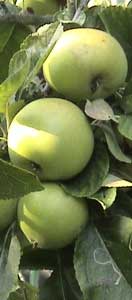 Last year, you had a good crop of apples on your tree .... what did you do with them? Make apple pies for all the neighbours! How? Last year, you had a good crop of apples on your tree .... what did you do with them? Make apple pies for all the neighbours! How?• You collect all the apples and bring them into the kitchen. • You prepare the apples ready for the pies. • You make the pastry and apple pies. • You cook the pies • You distribute them. This year, you had a huge crop of apples, and you wanted to make apple pies ... not for all the neighbours, but for the whole town. How did you do that? The same way that you did last year? Alas, no. There were far too many appled to bring into the kitchen, all your bowls would have been filled with apples long before you had prepared them all, and your oven has only got limited capacity. Far better to collect a few, prepare a few, make a few pies, and distribute them ... and keep repeating that until you have fed the whole town. Which is what a generator function does in Python. When you call a generator function (as the list provider in a for statement) in Python, it will yield when it has the first result available, which you can then process. Come back to the for statement, and it will continue to run the generator code ('pick the next batch of apples') and return the next result, time after time, until you're done. Here's an example that's doing just this - opening a file in a generator function, and returning at each call the next line containing the word "Python". The loop in the main code is then extracting the person's name from the line, printing it out, and going back to the generator for the next "Python" line. def tap(file):Here is the sample output: earth-wind-and-fire:~/nov08 grahamellis$ python dfgSee here for full source code of this example and here for details of our Python course (written 2008-11-04) Associated topics are indexed as below, or enter http://melksh.am/nnnn for individual articles Y105 - Python - Functions, Modules and Packages[96] Variable Scope - (2004-10-22) [105] Distance Learning - (2004-10-31) [294] Python generator functions, lambdas, and iterators - (2005-04-28) [303] Lambdas in Python - (2005-05-06) [308] Call by name v call by value - (2005-05-11) [340] Code and code maintainance efficiency - (2005-06-08) [386] What is a callback? - (2005-07-22) [418] Difference between import and from in Python - (2005-08-18) [561] Python's Generator functions - (2006-01-11) [668] Python - block insets help with documentation - (2006-04-04) [745] Python modules. The distribution, The Cheese Shop and the Vaults of Parnassus. - (2006-06-05) [749] Cottage industry or production line data handling methods - (2006-06-07) [775] Do not duplicate your code - (2006-06-23) [821] Dynamic functions and names - Python - (2006-08-03) [900] Python - function v method - (2006-10-20) [912] Recursion in Python - (2006-11-02) [913] Python - A list of methods - (2006-11-03) [949] Sludge off the mountain, and Python and PHP - (2006-11-27) [959] It's the 1st, not the 1nd 1rd or 1th. - (2006-12-01) [1134] Function / method parameters with * and ** in Python - (2007-04-04) [1163] A better alternative to cutting and pasting code - (2007-04-26) [1202] Returning multiple values from a function (Perl, PHP, Python) - (2007-05-24) [1464] Python Script - easy examples of lots of basics - (2007-12-08) [1784] Global - Tcl, PHP, Python - (2008-09-03) [1790] Sharing variables with functions, but keeping them local too - Python - (2008-09-09) [1869] Anonymous functions (lambdas) and map in Python - (2008-11-04) [1871] Optional and named parameters in Python - (2008-11-05) [1879] Dynamic code - Python - (2008-11-11) [2011] Conversion of OSI grid references to Eastings and Northings - (2009-01-28) [2439] Multiple returns from a function in Python - (2009-10-06) [2440] Optional parameters to Python functions - (2009-10-07) [2481] Sample code with errors in it on our web site - (2009-10-29) [2506] Good example of recursion in Python - analyse an RSS feed - (2009-11-18) [2520] Global and Enable - two misused words! - (2009-11-30) [2718] Python - access to variables in the outer scope - (2010-04-12) [2766] Optional and named parameters to Python functions/methods - (2010-05-15) [2878] Program for reliability and efficiency - do not duplicate, but rather share and re-use - (2010-07-19) [2929] Passing a variable number of parameters in to a function / method - (2010-08-20) [2994] Python - some common questions answered in code examples - (2010-10-10) [2998] Using an exception to initialise a static variable in a Python function / method - (2010-10-13) [3159] Returning multiple values from a function call in various languages - a comparison - (2011-02-06) [3280] Passing parameters to Python functions - the options you have - (2011-05-07) [3459] Catching the fishes first? - (2011-09-27) [3464] Passing optional and named parameters to python methods - (2011-10-04) [3472] Static variables in functions - and better ways using objects - (2011-10-10) [3474] Python Packages - groupings of modules. An introduction - (2011-10-11) [3662] Finding all the unique lines in a file, using Python or Perl - (2012-03-20) [3695] Functions are first class variables in Lua and Python - (2012-04-13) [3766] Python timing - when to use a list, and when to use a generator - (2012-06-16) [3852] Static variables in Python? - (2012-08-29) [3885] Default local - a good choice by the author of Python - (2012-10-08) [3931] Optional positional and named parameters in Python - (2012-11-23) [3945] vargs in Python - how to call a method with unknown number of parameters - (2012-12-06) [4029] Exception, Lambda, Generator, Slice, Dict - examples in one Python program - (2013-03-04) [4161] Python varables - checking existance, and call by name or by value? - (2013-08-27) [4212] Python functions - an introduction to how they work - (2013-11-16) [4361] Multiple yields and no loops in a Python generator? - (2014-12-22) [4407] Python - even named code blocks are objects - (2015-01-28) [4410] A good example of recursion - a real use in Python - (2015-02-01) [4441] Reading command line parameters in Python - (2015-02-23) [4448] What is the difference between a function and a method? - (2015-03-04) [4645] What are callbacks? Why use them? An example in Python - (2016-02-11) [4662] Recursion in Python - the classic example - (2016-03-07) [4719] Nesting decorators - (2016-11-02) [4722] Embedding more complex code into a named block - (2016-11-04) [4724] From and Import in Python - where is the module loaded from? - (2016-11-06) U114 - Lua - Threading and Coroutines. [1691] Co-routines in Lua - co-operative processing - (2008-06-29) [1699] If you are learning Lua, here are some more examples - (2008-07-06) [2314] Passing parameters to a coroutine in Lua - (2009-08-01) [2455] Lua examples - coroutines, error handling, objects, etc - (2009-10-15) [3395] Parallel but not really parallel. Moving game characters. Coroutines in Lua. - (2011-08-17) [4270] Embedding Lua to perform tailored code at an interval - (2014-05-03) R104 - Ruby - Control Structures [960] 1st, 2nd, 3rd revisited in Ruby - (2006-12-02) [962] Breaking a loop - Ruby and other languages - (2006-12-03) [985] Equality in Ruby - == eql? and equal? - (2006-12-14) [995] Ruby's case - no break - (2006-12-17) [1220] for loop - how it works (Perl, PHP, Java, C, etc) - (2007-06-06) [1582] Ruby, C, Java and more - getting out of loops - (2008-03-19) [1587] Some Ruby programming examples from our course - (2008-03-21) [1696] Saying NOT in Perl, PHP, Python, Lua ... - (2008-07-04) [1738] Clean code, jump free (Example in Lua) - (2008-08-06) [1887] Ruby Programming Course - Saturday and Sunday - (2008-11-16) [1891] Ruby to access web services - (2008-11-16) [1904] Ruby, Perl, Linux, MySQL - some training notes - (2008-11-23) [2287] Learning to program in Ruby - examples of the programming basics - (2009-07-15) [2471] A short form of if ... then ... else - (2009-10-23) [2619] Passing code to procedures and yield in Ruby - (2010-02-02) [2711] For loop - checked once, or evety time? Ruby v Perl comparison and contrast - (2010-04-07) [2892] Alternative loops and conditionals in Ruby and Perl - (2010-07-28) [2975] Why do I need brackets in Ruby ... or Perl, Python, C or Java - (2010-09-29) [3156] Splitting data reading code from data processing code - Ruby - (2011-02-04) [3158] Ruby training - some fresh examples for string handling applications - (2011-02-05) [3200] How a for loop works Java, Perl and other languages - (2011-03-12) [3253] Is this number between? Does this list include? - Ruby - (2011-04-18) [3254] Multiple inputs, multiple out, ruby functions - (2011-04-19) [3397] Does a for loop evaluate its end condition once, or on every iteration? - (2011-08-18) [3422] Assigning values to variables within other statements - Ruby - (2011-09-07) [3619] Ruby v Perl - a comparison example - (2012-02-21) [3620] Finding the total, average, minimum and maximum in a program - (2012-02-22) [3769] Muttable v immutable and implications - Ruby - (2012-06-20) [4322] Learning to Program - the conditional statement (if) - (2014-11-21) [4323] Learning to program - Loop statements such as while - (2014-11-22) [4370] Conditionals, loops and methods in Ruby - a primer with simple examples - (2014-12-29) [4402] Finding sum, minimum, maximum and average in Python (and Ruby) - (2015-01-19) [4503] Separating your code for easier testing, understanding and re-use; example in Ruby - (2015-06-02) [4504] Where does Ruby load modules from, and how to load from current directory - (2015-06-03) [4674] Alternating valuses / flip-flop / toggle - example in Ruby - (2016-05-17)
Some other Articles
Is it worth it?List Comprehensions in Python Barack Obama wins US Predidency What to do with a huge crop of apples Liverpool - a friendly city Domain Renewal Group What a difference a day made Debugging and Data::Dumper in Perl |
4759 posts, page by page
Link to page ... 1, 2, 3, 4, 5, 6, 7, 8, 9, 10, 11, 12, 13, 14, 15, 16, 17, 18, 19, 20, 21, 22, 23, 24, 25, 26, 27, 28, 29, 30, 31, 32, 33, 34, 35, 36, 37, 38, 39, 40, 41, 42, 43, 44, 45, 46, 47, 48, 49, 50, 51, 52, 53, 54, 55, 56, 57, 58, 59, 60, 61, 62, 63, 64, 65, 66, 67, 68, 69, 70, 71, 72, 73, 74, 75, 76, 77, 78, 79, 80, 81, 82, 83, 84, 85, 86, 87, 88, 89, 90, 91, 92, 93, 94, 95, 96 at 50 posts per pageThis is a page archived from The Horse's Mouth at http://www.wellho.net/horse/ - the diary and writings of Graham Ellis. Every attempt was made to provide current information at the time the page was written, but things do move forward in our business - new software releases, price changes, new techniques. Please check back via our main site for current courses, prices, versions, etc - any mention of a price in "The Horse's Mouth" cannot be taken as an offer to supply at that price.
Link to Ezine home page (for reading).
Link to Blogging home page (to add comments).
PH: 01144 1225 708225 • EMAIL: info@wellho.net • WEB: http://www.wellho.net • SKYPE: wellho
PAGE: http://www.wellho.net/mouth/1870_Wha ... pples.html • PAGE BUILT: Sun Oct 11 16:07:41 2020 • BUILD SYSTEM: JelliaJamb